Menopause exercise considerations
During and after menopause, it is important to consider the hormonal and physiological changes that occur. Low-impact aerobic exercise is more beneficial for menopausal women than high intensity exercise as high intensity exercise can trigger the body to overproduce the stress hormone cortisol and as menopause can cause increased feelings of anxiety and stress, extra cortisol in the body is best avoided. Worse still, high cortisol signals the body to store visceral (abdominal) fat. This at a time when many women notice that the way the body stores fat changes - more around the belly than on the hips and thighs.
Low-impact exercise helps to promote a more balanced parasympathetic nervous system, leading to deeper more restorative sleep. This is especially important during menopause, a time when many women report sleep disturbances. It doesn’t mean that some high intensity aerobic exercise isn’t beneficial during this time but it is important to understand the challenges and changes that menopause brings to enable informed evidence-based exercise considerations.
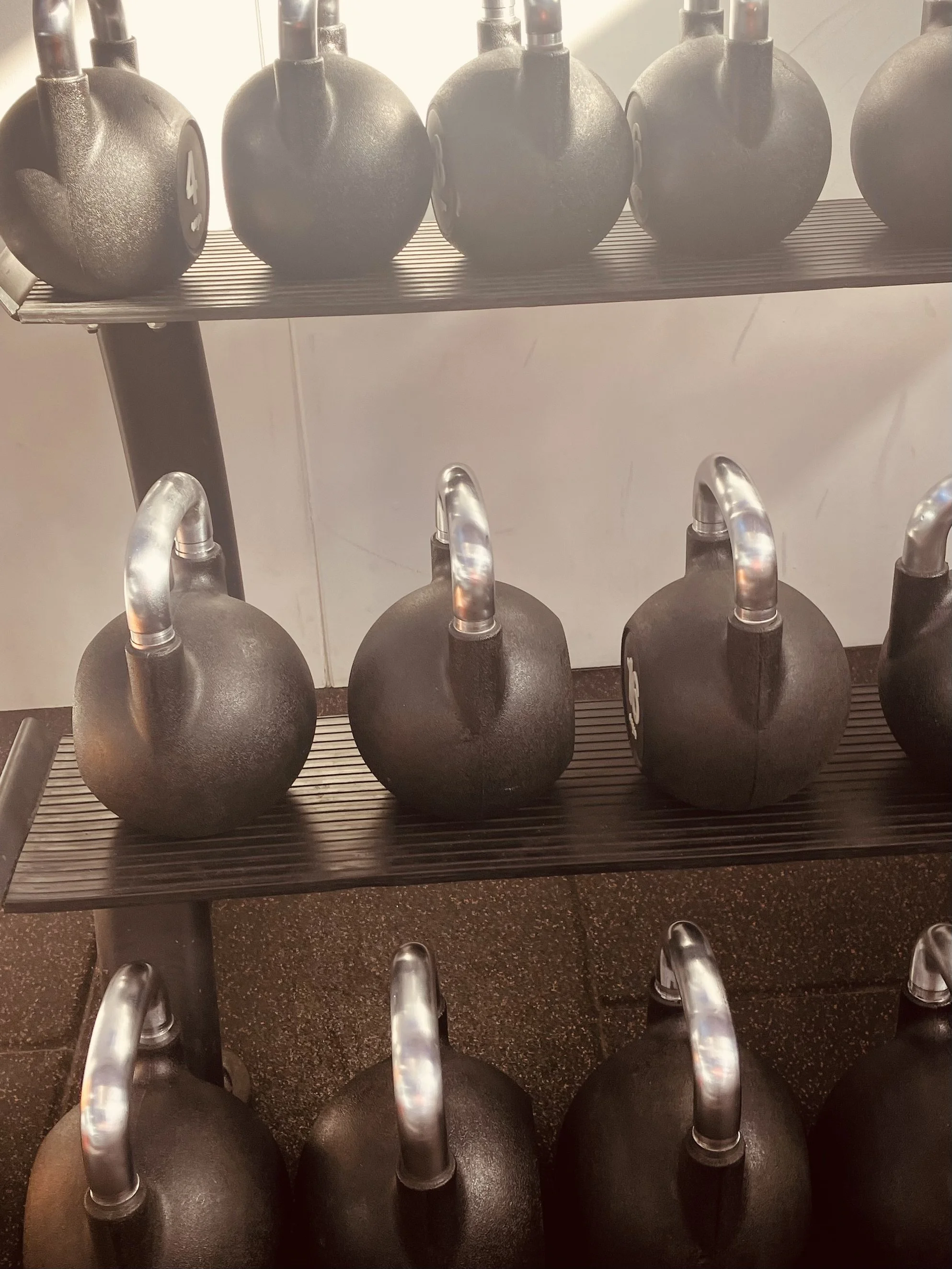
The loss of lean muscle and increased fat storage is often an issue for menopausal women. Without strength training and adequate protein consumption, muscle loss occurs and can develop into sarcopenia. Strength and mobility training are essential and should be done on at least 2 days a week along with at least 150 minutes of low-impact aerobic exercise. Add 1 session of something restorative and mindful a week, like Yin Yoga, Kundalini Yoga, Tai Chi or a Thai Yoga Massage for a balanced body and mind.