Older people at risk of falls due to slower arm movements
Older people are at risk of falls because their arm movements can be slower to respond when they slip along with a slower reaction time and balance control. A younger person when slipping uses rapid arm movements as a quick response to prevent a loss of balance when sensing a falling motion. These slower responses in an older adult can mean that their body moves faster than their arms can stabilize them in time.
Slower arm movements can result in an individual to shift sideways as they fall. Falling sideways can cause more severe injuries including hip fractures. Arm speed can play a significant role in preventing falling sideways.
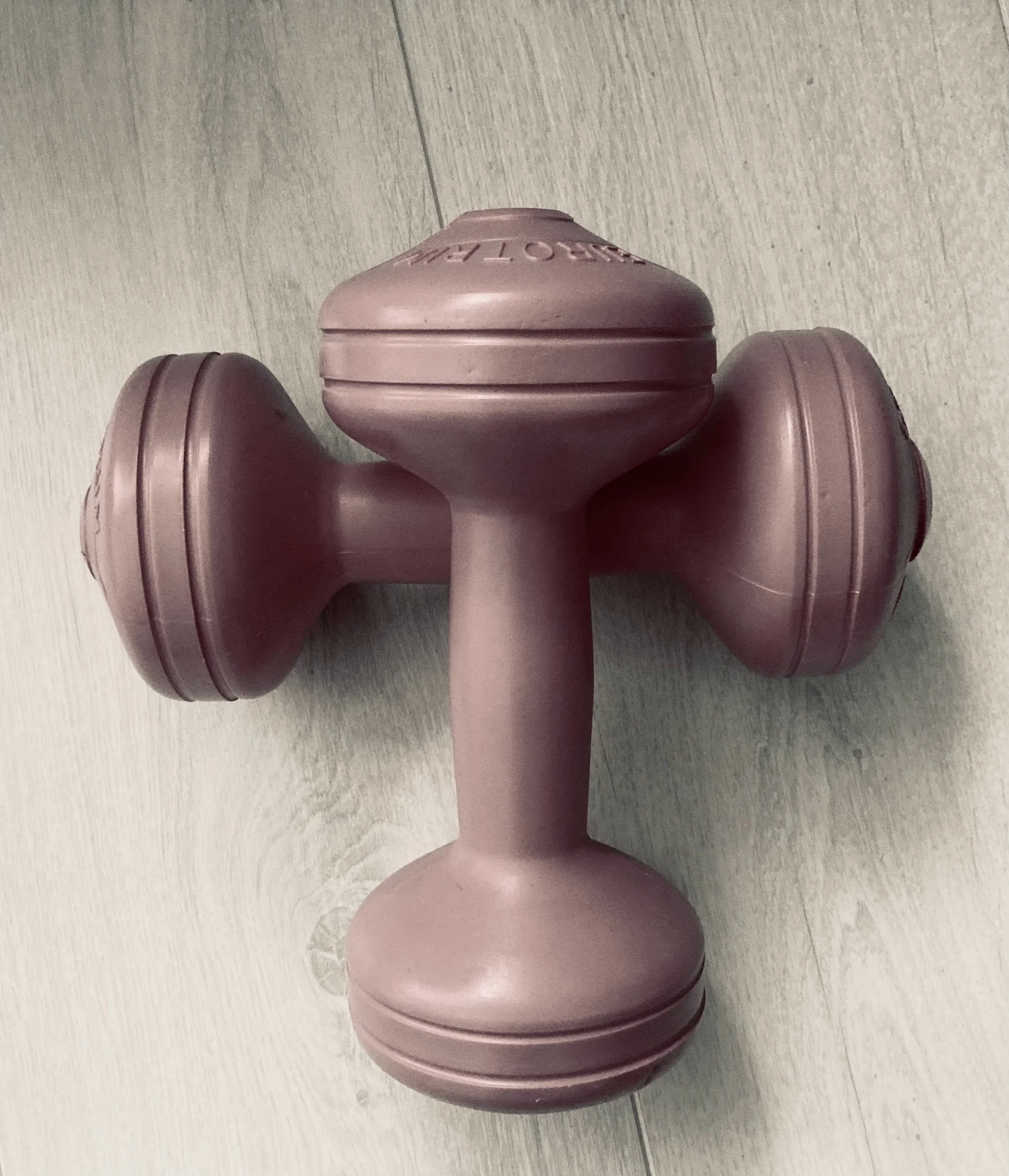
Increasing resistance/strength training exercises using dumbbells will help to strengthen muscles and targeting the arms with faster dumbbell lateral raises can help to develop a quicker automatic response to a slip. This is primarily because strength training helps to improve reflex movements through neural adaptations by increasing motor unit recruitment.