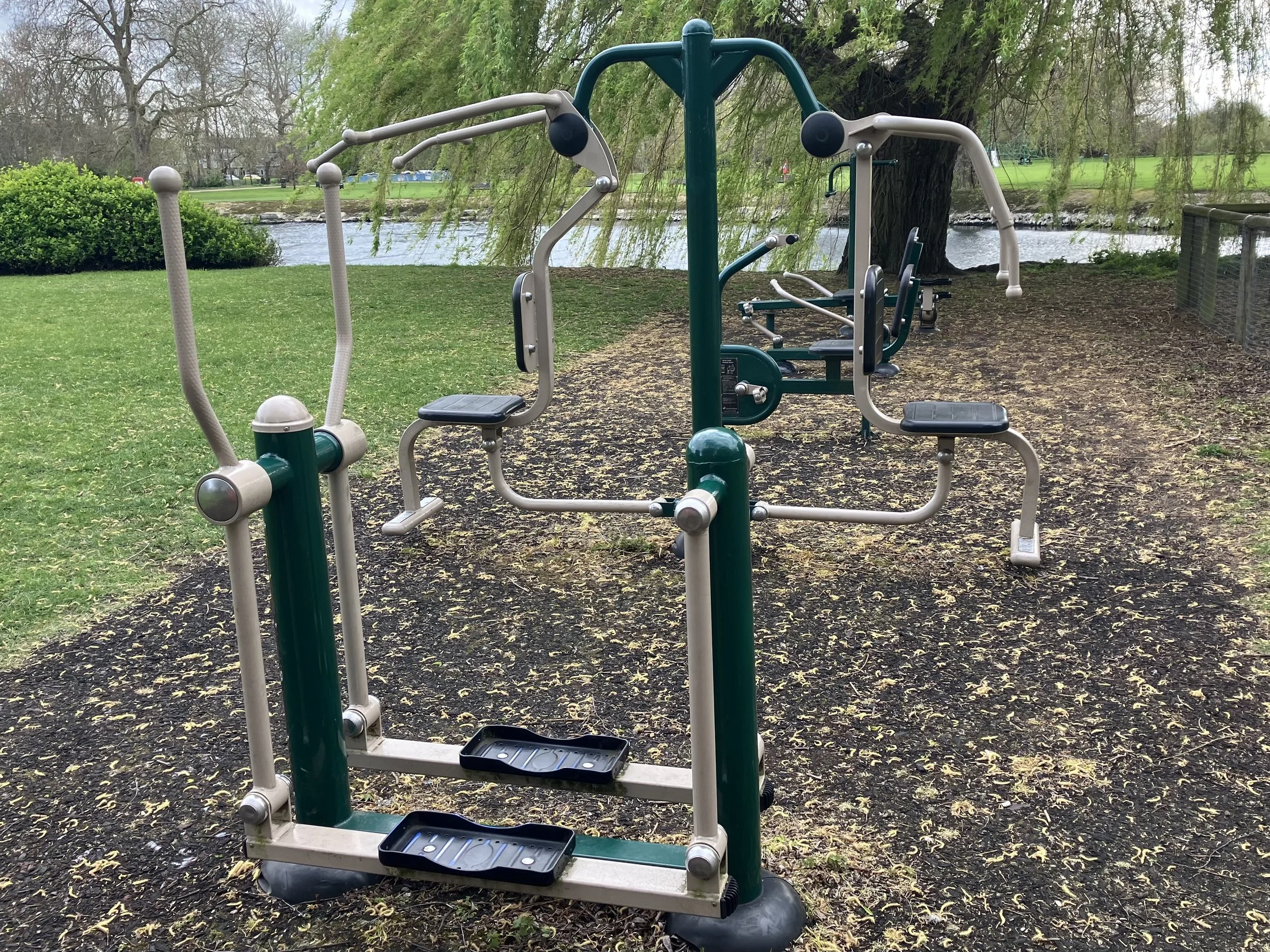
Evidence-based exercise routines improve health
Exercises that improve balance, proprioception, stability, flexibility and mobility whilst addressing muscular fitness and strength are an important part of an exercise routine.
Balance is essential to help prevent falls. Proprioception plays an important role in balance control as proprioception is the body’s own spatial awareness enabling it to sense its own position when moving.
Stability exercises train our stabilizer muscles and core to help keep the body balanced and aligned during movements. Stability training is beneficial for improving posture, balance and coordination.
Flexibility is the available range at a joint influenced by the extensibility of both muscle and connective tissue to move unrestricted without pain whilst mobility is the usable range and ability to actively move without pain and control a joint through a range of motion with strength, coordination and balance.
Alongside the recommended exercise guidelines for adults of 150 minutes of moderate intensity activity (like walking, swimming or cycling) and/or 75 minutes of vigorous activity (like running) with muscle strengthening exercises that include all major muscle groups at least 2 days a week remember to add exercises that address balance, proprioception, stability, flexibility and mobility. Include exercises like single leg exercises, step ups, saccade exercises, gaze stabilisation, weight shifting, agility movements, dynamic flexibility, joint mobility, planks, side planks and bridges.