Perimenopause Exercise Considerations
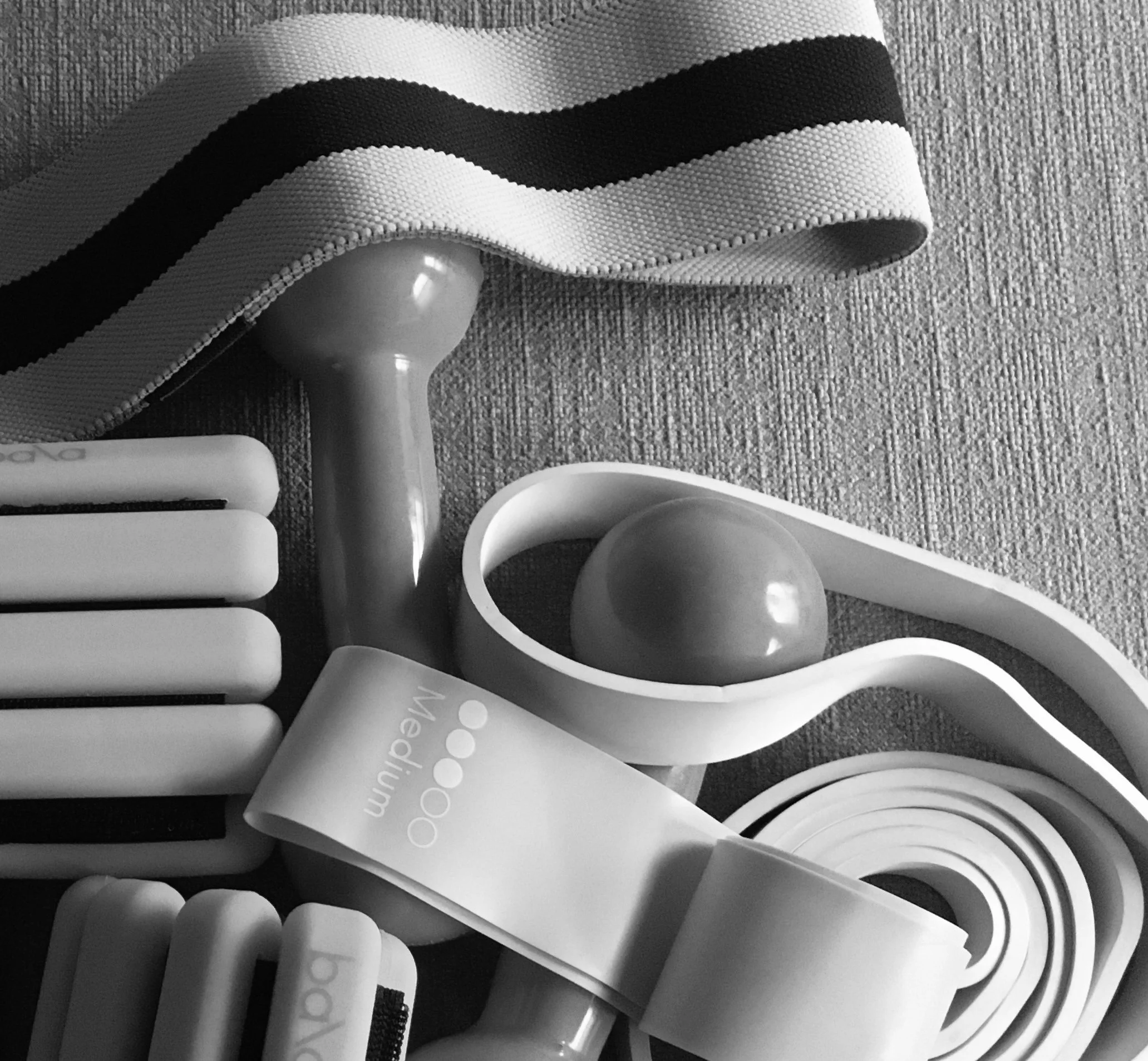
Strength Training - aim for 2 to 3 strength training sessions a week to help maintain bone and muscle health. Menopause seems a long way away but prioritising strength training will be beneficial later. Perimenopausal women may begin to notice a decrease in lean muscle, adults on average lose 3-5% of muscle per decade over the age of 30 and this accelerates up to 12-15% per decade over the age of 60.
Aerobic Exercise - essential for keeping your heart healthy although high intensity training without adequate recovery can trigger the body to overproduce the stress hormone cortisol. High cortisol can signal the body to store visceral fat particularly in the abdomen. Not something we think about before perimenopause but as the body changes our fat distribution can shift. High intensity interval training can be beneficial for perimenopausal women but no more than 1-2 times a week. The recommended guidelines for aerobic exercise is 150 minutes of moderate intensity activity (like walking, cycling, swimming) and/or 75 minutes of vigorous activity including running.
Adding a Pilates or Yoga Session per Week - helps to build core stability and improves balance. Stability training is beneficial for improving posture, balance and coordination. Dynamic flexibility is also a great way to improve the health of our fascia as hormonal changes can create dense, rigid tissue that feels tight and restrictive.
Exercise Outdoors - Spending time in nature increases wellbeing, reduces feelings of anxiety, improves sleep and helps relaxation in regions of the brain like the amygdala. The amygdala is involved in decision making and emotional responses including anxiety, fear, panic and aggression.